5-Day PCOS Diet Meal Plan (PDF)
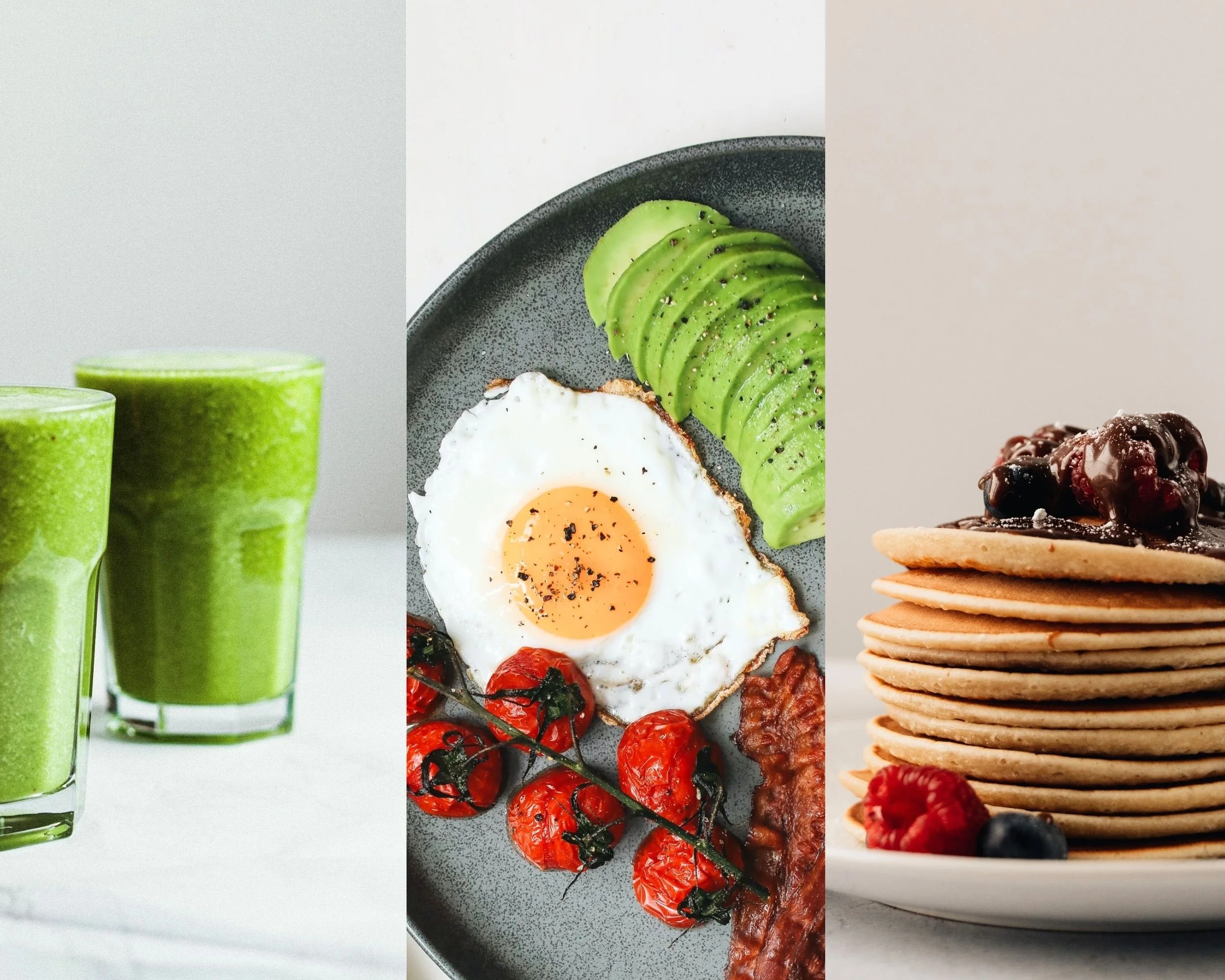
5-Day PCOS Diet Meal Plan (PDF)
Following a PCOS-friendly diet can make a big difference in managing your PCOS symptoms and supporting your overall health.
Like many, I’m sure you’ve been told to “just lose weight” or “cut carbs” - but this is out-dated advice, and is missing important pieces of information!
This guide is designed to help you understand exactly how to eat with PCOS and the free 5-day PCOS meal plan is a great place to put this into action and get started!
PCOS: why your diet matters
PCOS is a hormone and metabolic condition, which affects how your body responds to food, particularly when it comes to insulin signalling and blood sugar regulation.
Many women with PCOS experience some degree of insulin resistance - even if they’ve not been told they have this - which can lead to higher levels of blood sugar over time and increased inflammation.
It’s these mechanisms that can contribute to the hormone imbalances that drive those pesky PCOS symptoms, and increase longer term health risks.
How diet affects PCOS symptoms
Luckily, what we eat and how we eat with PCOS can go a long way in managing your PCOS symptoms.
The right nutrition approach that focuses on blood sugar balance and reduces inflammation can help to:
Support ovulation and fertility
Improve energy
Reduce cravings
Support healthy weight loss (without restriction)
Support digestion and minimise bloating
Balance hormones (like testosterone - linked to symptoms like acne and excess hair growth)
Reduce your risk of type 2 diabetes or heart disease
This is why your diet isn’t just about calories and doesn’t require extreme dieting - in fact, overly restrictive approaches often make symptoms worse.
Instead, it’s about building meals that keep you full and provide the nutrients your hormones need.
Nutritionist approved PCOS diet
A PCOS-friendly way of eating should feel structured, but not restrictive. At its core, this approach focuses on:
Protein with every meal to support blood sugar and satiety
Fibre-rich carbohydrates to slow glucose release and support the gut-microbiome
An abundance of non-starchy vegetables to provide a wide range of vitamins, minerals and anti-inflammatory antioxidants
Healthy fats to support hormones and keep meals satisfying
Probiotic foods to support the gut and overall health
Always focuses on consistency (rather than perfection)
This is the exact framework used inside the 5-day meal plan, designed to be realistic, balanced, and easy to stick to.
But before I share the PCOS friendly meals, it’s important to understand which foods support hormone balance and which ones could make your PCOS symptoms worse.
Knowing the foods to include and foods to avoid for PCOS, means you’ll have a better idea of putting together your own meals beyond the 5 day PCOS diet plan.
Foods to eat for PCOS
There’s no single food or “PCOS diet” that will “cure your PCOS”, but certain foods and the way we eat can be especially supportive. The best approach for PCOS is to focus on nutrient-dense whole foods like:
Protein sources for PCOS
Chicken, turkey, eggs
Salmon and oily fish
Greek yoghurt
Tofu, lentils, beans
Fibre-rich carbohydrates
Oats
Quinoa
Sweet potato
Wholegrain rice
Beans and legumes
Healthy fats
Avocado
Olive oil
Nuts and seeds
Non Starchy Vegetables
Leafy greens
Broccoli, courgette, peppers
Tomatoes, carrots, cucumber
Probiotic foods
Kefir
Sauerkraut
Kimchi
Anti-inflammatory extras
Dark and colourful berries
Herbs and spices like turmeric, cinnamon, and ginger
Foods to avoid for PCOS
Rather than thinking in terms of strict “avoid” lists, it’s more helpful to be mindful of foods that can worsen blood sugar spikes or inflammation when eaten in excess. These include:
Highly refined carbohydrates (white bread, pastries)
Sugary drinks and snacks
Ultra-processed foods
Large portions of carbs without protein or fats
This doesn’t mean you can never eat these foods - because where’s the fun in that! - but building most of your meals around whole, balanced options will make a noticeable difference to symptoms in the long-run.
Remember it’s what you can do the majority of the time, not all the time. I am a big advocate of following an 80/20 mindset when it comes to nutrition and your lifestyle.
PCOS friendly meals
A PCOS-friendly meal doesn’t need to be complicated and once you get the hang of it, you’ll be putting meals together in no time!
Some PCOS friendly meal ideas:
Grilled chicken, roasted vegetable tray, with lemony quinoa
Sesame crusted salmon with sweet potato mash and sauteed greens
Greek yoghurt with berries, seeds, nut butter and cinnamon
Egg-based breakfasts with veg and avocado
These are exactly the types of meals included in the plan - designed to be practical for busy schedules and low energy days.
Your 5-Day PCOS Diet Plan (free PDF)
If you’re not sure how to put this into practice, that’s where the meal plan comes in.
The 5-Day PCOS Meal Plan is designed to help you:
Take the guesswork out of what to eat
Build balanced, blood sugar-friendly meals
Feel more energised and satisfied
Support fat loss and fertility naturally
Inside, you’ll find:
5 days of PCOS-friendly meals
Simple, realistic recipes
Prep tips to make the week easier
Grocery shopping lists so you know exactly what to buy

You don’t need a perfect diet to improve PCOS symptoms.
But you do need consistency, structure, and the right foundations.
This is about supporting your body - not restricting it.
If you’re ready to start eating in a way that actually works with your hormones, download the free plan and start there.
If you feel like you’ve already got the foundations nailed, but you need further personalised guidance - Book a complimentary discovery call with Kirsten to start your journey!
FAQs
What is the best diet for PCOS?
The best diet for PCOS focuses on blood sugar balance as the foundation, including adequate protein, fibre-rich carbohydrates, healthy fats, and anti-inflammatory foods.
Can diet really improve PCOS symptoms?
Yes - diet plays a key role in managing insulin resistance, hormone balance, and inflammation, all of which influence PCOS symptoms.
Is a low-carb diet necessary for PCOS?
Not necessarily. Many women benefit more from balanced meals that include carbohydrates alongside protein and fats, rather than strict low-carb approaches.
What should I eat for breakfast with PCOS?
A balanced breakfast including protein, fibre, and fats - such as eggs with vegetables or Greek yoghurt with berries and seeds - can help stabilise blood sugar. Check out some of my favourite PCOS breakfast recipes here.
What is the best PCOS meal plan for weight loss?
The best meal plan for weight loss is one you can stick to! That means not following a restrictive diet and learning how to fuel your body for the long term. Follow the principles above and reach out if you need help with this.
What is the best PCOS meal plan to get pregnant?
In addition to the diet principles outlined in this blog, we might want to have an extra focus on gut health, foods to support the microbiomes, egg quality, and more. Don’t forget your partner too! You can learn more here.
A personalised approach to managing PCOS
Is PCOS is taking up a lot of your headspace? If you’re fed up with carrying out your own research and spending hours reading blogs and books and scrolling on social media for the answers, then I would love to help.
I’ve walked in your shoes and have dedicated the last 7 years of my career to do the research for you - cutting through the nonsense and ensuring every recommendation is evidence based and effective, so you can get the results you deserve.
I’ve got you covered in my highly personalised and fully supportive, 12 week coaching and wellness program. With fortnightly appointments, bespoke plans and resources, and unlimited contact with me at the end of your phone. Together we will get to the root cause of your symptoms and you will leave with all the tools and knowledge to manage your PCOS for good!